
Aging at home: simple changes that can make a home safer
Small, inexpensive adjustments prevent a surprising share of falls.
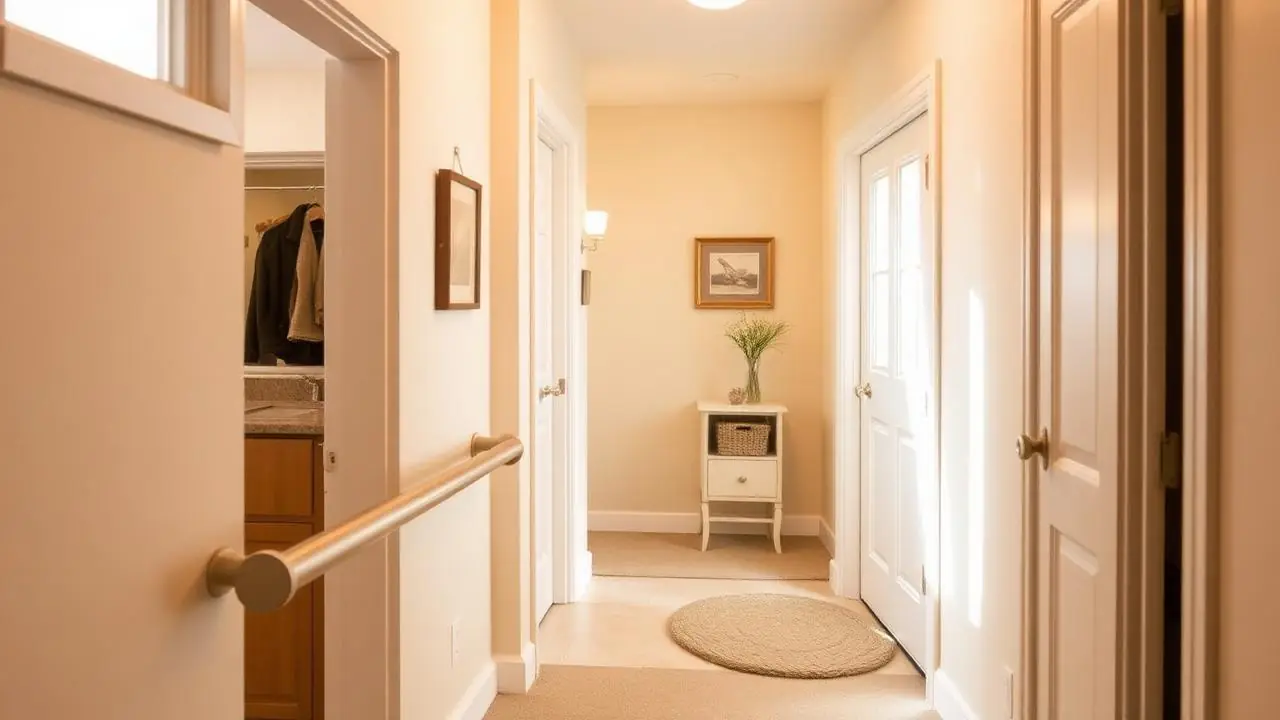
Start with light
Aging eyes need considerably more light to see the same detail. Brighter bulbs in hallways and stairs, a lamp within reach of the bed, and plug-in night lights on the route to the bathroom are the cheapest safety upgrades available.
Clear the paths
- Remove or secure loose rugs and trailing cables
- Keep the route from bed to bathroom completely clear
- Move everyday items to waist height so step stools are not needed
- Repair uneven thresholds and loose stair treads
Add support where balance changes
Grab bars beside the toilet and inside the shower, a non-slip mat, a shower seat and a second stair handrail address the places where most falls happen. Fix supports into the wall structure — towel rails are not grab bars.
Make help reachable
A charged phone kept in a consistent place, key contacts written large near it, and a shared emergency card with medicines, conditions and contacts mean that when something does happen, the response is fast and calm.
An occupational therapist can assess a home in a single visit and often spots things families miss. It is one of the highest-value appointments available.
This article is general educational information for families. It does not provide a diagnosis and does not replace advice from a qualified clinician.


